Why are people talking about 30 different plants?
Interest in eating a greater variety of plant foods has grown alongside research into diet and the gut microbiome.
Observational research has reported associations between greater weekly plant variety and greater gut microbiome diversity (McDonald et al., 2018).
This has contributed to growing interest in practical ways to include more variety across whole grains, legumes, nuts, seeds, vegetables, fruits, herbs and spices.
A 30-plant blend is one convenient way to increase variety, but it should complement — not replace — a varied diet.
Not all 30-plant blends are the same
The number on the front of the pack only tells you part of the story.
Two products can both contain 30 plant ingredients while differing substantially in serving size, ingredient proportions, fibre content and overall formulation.
When comparing a 30-plant blend, look at:
- plant ingredient count
- types of plants included
- dietary fibre per serve
- serving size
- ingredient form
- evidence
- allergens
- cost per serve
- local availability
Start with fibre per serve
Plant count and fibre content are not the same thing.
When comparing products, check the Nutrition Information Panel to see how much dietary fibre is actually provided in a full recommended serve.
A blend may contain many plant ingredients but provide a relatively small amount of fibre if the serving size is small.
Looking at both plant variety and fibre per serve gives you a more useful picture of what the product contributes to your diet.
Look beyond ingredient count. Check what one actual serve provides.
Compare the serving size
A scoop can mean very different things from one product to another.
One product might recommend a teaspoon or tablespoon, while another may recommend a substantially larger daily serve.
When comparing products, look at:
- grams per serve
- dietary fibre per serve
- number of serves per pack
- cost per serve
This makes comparisons much more meaningful than looking at pack size or ingredient count alone.
What kinds of plants are included?
Plant diversity can come from many different food groups.
Depending on the formulation, a blend may contain:
- whole grains
- legumes
- nuts
- seeds
- fruits
- vegetables
- herbs
- spices
- fungi
- isolated or added fibres
Rather than simply counting ingredients, consider how broad the ingredient mix is and whether it aligns with what you are looking for.
Wholefoods, powders, extracts and added fibres
There is no single correct formulation style.
Some products are based mainly on whole or minimally processed ingredients, while others use powders, extracts, isolated fibres or a combination.
Check the ingredient list so you understand what you are actually consuming rather than assuming all 30-plant products are formulated in the same way.
Look at the evidence, not just the marketing
When a product makes a health claim, it is worth looking at the evidence behind it.
Useful questions include:
- Is the claim based on human research?
- Is the research relevant to the ingredients and amounts actually provided?
- Does the company explain why particular ingredients or amounts were selected?
- Are the health claims appropriate for a food product?
- Are product-specific claims clearly distinguished from broader emerging research?
More ingredients does not automatically mean more evidence.
Consider allergens and dietary suitability
Thirty-plant products can contain a wide range of common allergens.
Depending on the formulation, these may include nuts, peanuts, sesame, gluten-containing grains and legumes.
Always check the ingredient list and allergen declaration rather than assuming a plant-based or gut-health product will suit every dietary requirement.
Australian availability matters too
If you are buying from Australia, availability can make a meaningful difference to convenience and total cost.
For products sold primarily overseas, consider:
- whether the company ships directly to Australia
- international freight
- delivery times
- currency conversion
- transaction fees
- possible food import requirements
- subscription requirements
An Australian-available product may be simpler to purchase regularly, particularly if you want it to become part of an everyday routine.
Where My Daily Gut Digestion Blend fits
My Daily Gut Digestion Blend was developed around a simple idea: make plant diversity and meaningful fibre intake easier to incorporate into an everyday routine.
Each ¼-cup serve provides:
30
diverse plant ingredients
9 g
dietary fibre per serve
¼ cup
daily serve
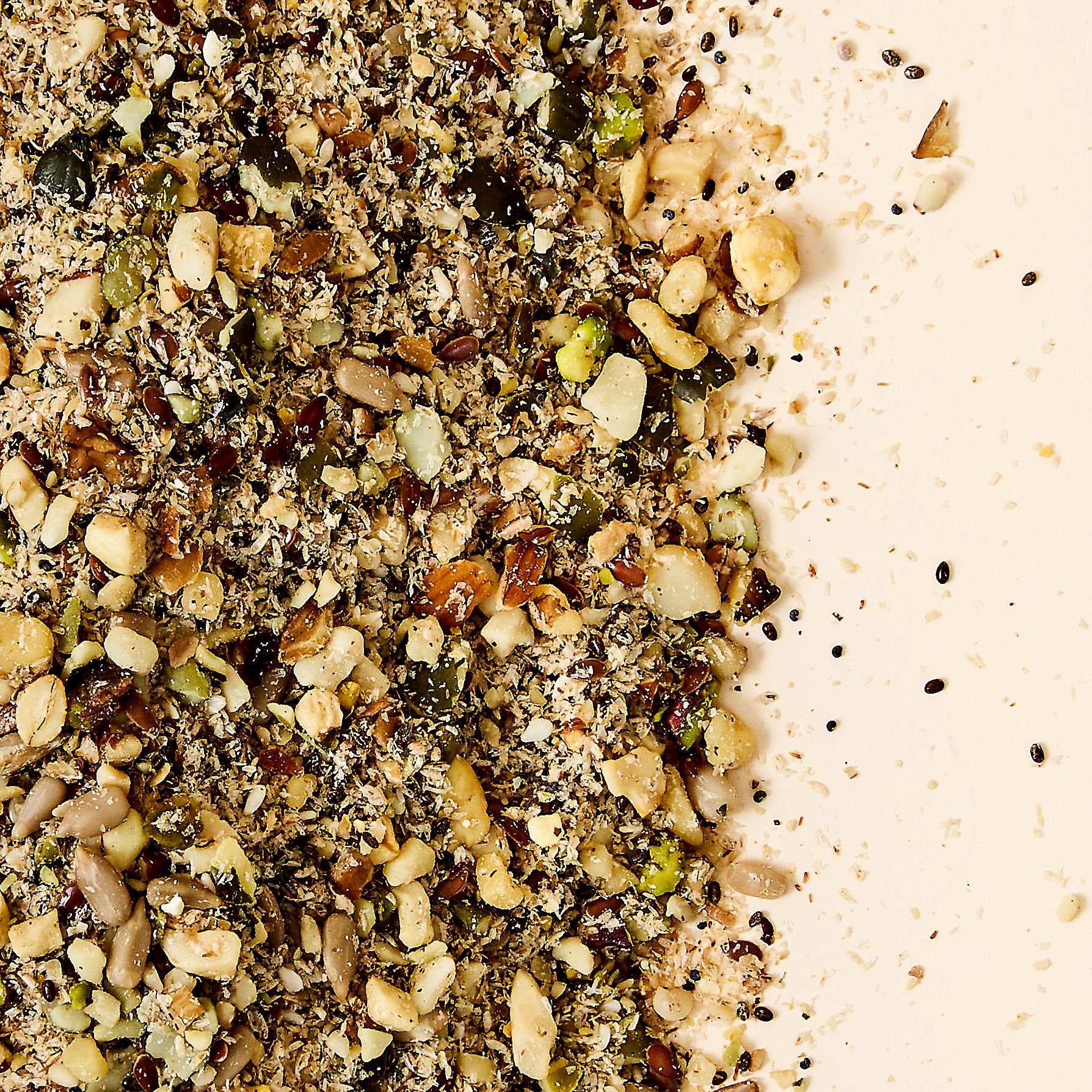
The blend includes ingredients from several wholefood groups, including psyllium husk, seeds, nuts, whole grains, legumes and green banana flour.
The formulation is not based on ingredient count alone. It was developed around relevant human nutrition research and the combination of plant diversity, fibre intake and everyday practicality.
Daily oral consumption of 30 diverse plant-based fibres contributes to a more diverse gut microbiome.*
Dietary fibre contributes to regular laxation.*
Excellent source of fibre contributes 9.0g toward your 30g daily target.
How to use Digestion Blend
The routine is intentionally simple.
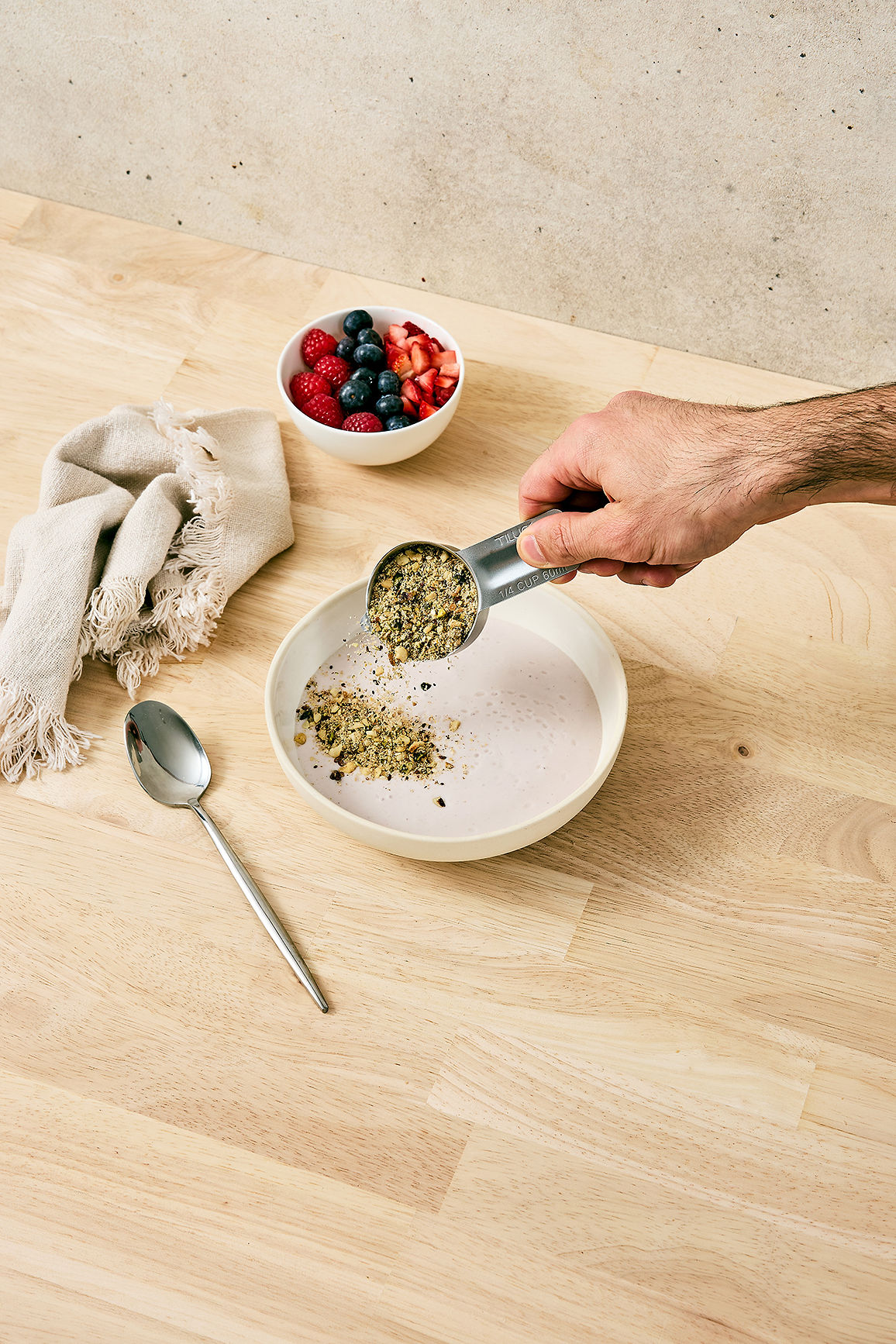
Add ¼ cup to:
- yoghurt
- kefir
- filmjölk
- a smoothie
Add seasonal fruit if desired and make it part of breakfast, morning tea or afternoon tea.
One meaningful daily serve. Easy to repeat.
Do you need a 30-plant blend?
No.
You can build plant diversity through everyday foods including vegetables, fruit, legumes, whole grains, nuts, seeds, herbs and spices.
A blend is primarily about convenience.
It can make it easier to incorporate a larger number of different plant ingredients consistently without needing to buy, store and prepare every ingredient separately.
The bottom line
If you are comparing 30-plant gut health blends, don’t choose based on the number ‘30’ alone.
Look at:
- what the ingredients actually are
- how much dietary fibre one serve provides
- the size of the recommended serve
- the evidence behind the formulation
- allergens and dietary suitability
- total cost per serve
- whether the product is practical to purchase and use consistently in Australia
My Daily Gut Digestion Blend combines 30 diverse plant ingredients with 9 g of dietary fibre in a simple ¼-cup daily serve.
30 plants. 9 g fibre. One daily serve.
Continue reading
Scientific references used in this article