Why nutrition matters for maternal stores*
Reproductive health is a long-term process that begins well before conception. The months leading up to pregnancy—known as the periconceptional period—are a critical window for building the nutrient stores required for:
- Normal fertility and reproduction (Supported by Zinc)
- Normal cell division (Supported by Iron and Zinc)
- Normal immune system function (Supported by Selenium and Iron)
- Normal growth and development (Supported by Zinc)
Building these stores through a consistent daily morning ritual helps ensure you are meeting the increased nutritional demands of pregnancy (Cetin, 2009; Łakoma, 2023).
Best dietary patterns for reproductive support*
Research consistently shows that reproductive wellbeing is influenced more by overall dietary patterns than by individual "superfoods."
Evidence-based patterns generally include:
- High intake of vegetables, fruit, and diverse plant fibres.
- A focus on whole grains, nuts, and seeds.
- A high ratio of unsaturated fats to saturated fats.
- Consistent intake of wholefood minerals like Iron, Zinc, and Selenium.
These patterns support the body’s baseline metabolic stability and contribute to overall wellbeing during the transition to motherhood (Gaskins & Chavarro, 2018).
Nutrition during pregnancy and foetal brain development
Nutrition during pregnancy is a critical foundation for both the mother and the baby. Meeting increased nutritional demands supports the body's natural physiological pathways, including:
- Normal neurological development in the foetus (Supported by Iron)
- Normal cell division (Supported by Iron, Zinc, and Folate)
- Maternal tissue growth during pregnancy (Supported by Folate)
- Normal oxygen transport (Supported by Iron)
The Iron Rich Blend is formulated by a dietitian to provide a good source of these essential wholefood minerals to support maternal nutrient stores.
Key nutrients
Omega-3 fatty acids
Support foetal brain development and healthy pregnancy outcomes (Manta-Vogli, 2019).
Iron
Necessary for normal neurological development in the foetus and oxygen transport (Jouanne, 2021).
Fibre
Contributes to regular laxation and, when including viscous fibres like psyllium, supports a steadier blood glucose response after meals* (Rees, 2025).
Zinc
Contributes to normal fertility and reproduction and is necessary for normal cell division (Cetin, 2009).
Selenium & Vitamin E
Contribute to cell protection from free radical damage, supporting the body’s natural recovery and resilience (Vinturache, 2026).
Folate
Contributes to maternal tissue growth during pregnancy and is necessary for normal blood formation (Cetin, 2009).
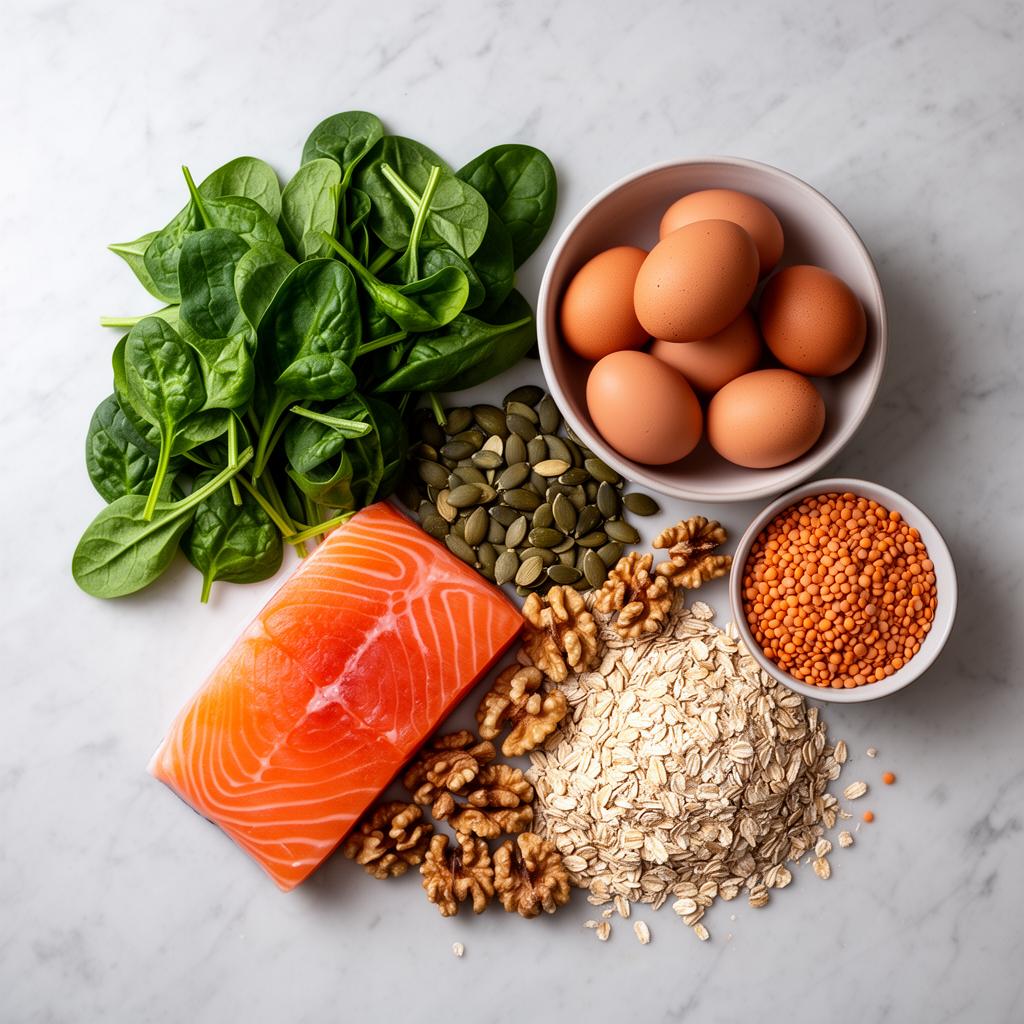
Why it can be difficult to reach research levels of nutrients
Many fertility and pregnancy studies use nutrient intakes that can be difficult to reach consistently through everyday meals.
Some people find it easier to maintain these intakes by using whole-food blends alongside a balanced diet.
The Iron Rich Blend was created to support women during the preconception, pregnancy, and postpartum periods by providing natural sources of iron, selenium, zinc, fibre, and vitamin E from whole-food ingredients commonly studied in reproductive nutrition.
Our blends are designed to complement — not replace — the supplements recommended during pregnancy, such as folic acid, iodine, and vitamin D, which remain essential for normal foetal development.
We recommend using My Daily Gut alongside these supplements and following the RANZCOG Vitamin and Mineral Supplementation in Pregnancy guidelines.
Always consult your healthcare provider before making changes to your diet or supplements during pregnancy.
Learn more about the Iron Rich Blend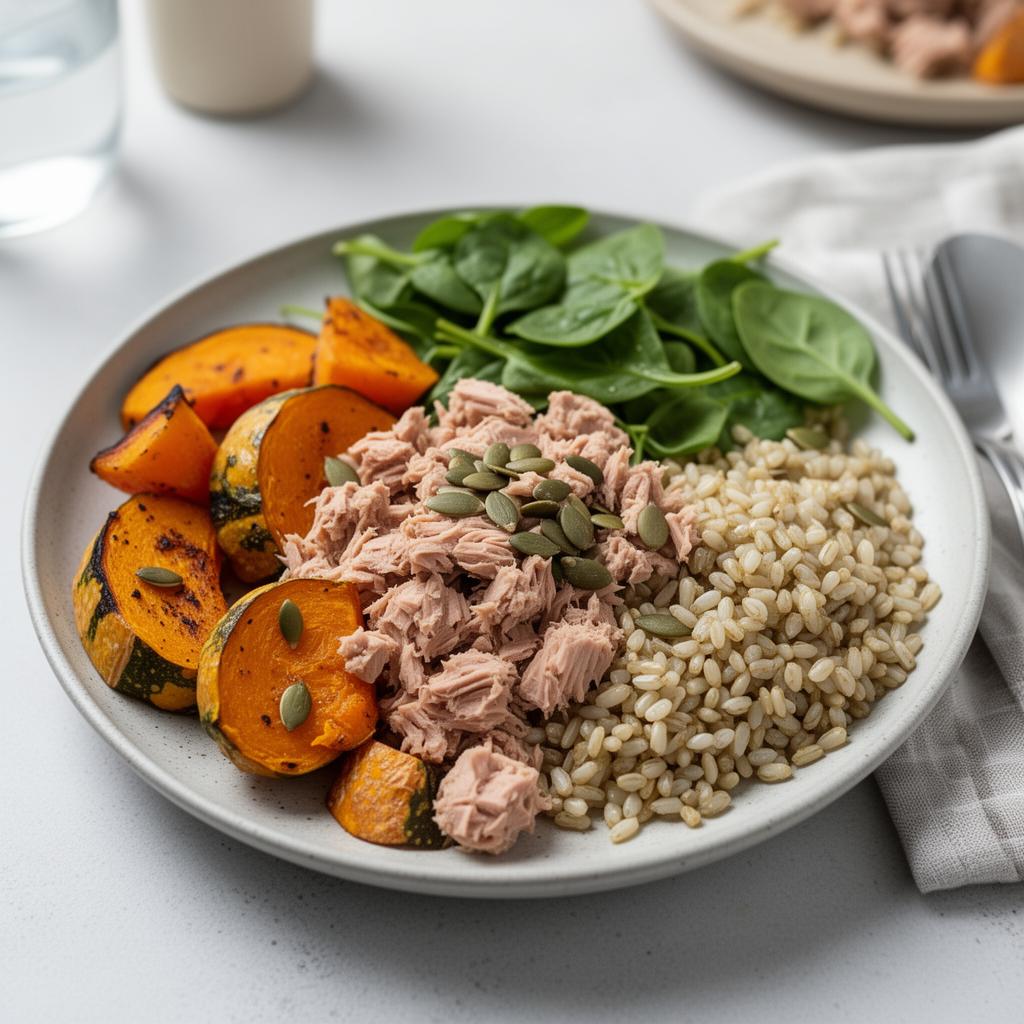
Summary — what to eat for maternal nourishment and reproductive support*
Research suggests that dietary patterns that contribute to normal fertility and reproduction and support maternal nutrient stores are:*
- High in whole foods
- Rich in fibre
- Rich in healthy fats
- High in plant foods
- Adequate in iron and zinc
- Low in ultra-processed foods
Consistency matters more than perfection.
Article reviewed by
Claudia Amouzandeh
Bachelor of Nutrition & Dietetics (Honours)
Co-Founder — My Daily Gut
Claudia Amouzandeh holds a Bachelor of Nutrition & Dietetics (Honours) and specialises in translating scientific nutrition research into practical everyday nutrition guidance.
Scientific references used in this article
Scientific References
- Cetin I et al. Role of micronutrients in the periconceptional period. Hum Reprod Update (2009).
- Cortés-Albornoz MC et al. Maternal Nutrition and Neurodevelopment: A Scoping Review. Nutrients (2021).
- Gaskins AJ, Chavarro JE. Diet and fertility: a review. Am J Obstet Gynecol (2018).
- Jouanne M et al. Nutrient Requirements during Pregnancy and Lactation. Nutrients (2021).
- Łakoma K et al. The Influence of Metabolic Factors and Diet on Fertility. Nutrients (2023).
- Manta-Vogli P et al. The significant role of carnitine and fatty acids during pregnancy, lactation and perinatal period. Nutritional support in specific groups of pregnant women. Clin Nutr (2019).
- Marshall NE et al. The importance of nutrition in pregnancy and lactation. AJOG (2022).
- Panth N et al. The Influence of Diet on Fertility and the Implications for Public Health Nutrition. Front Public Health (2018).
Frequently Asked Questions
*Iron is necessary for normal neurological development in the foetus and normal oxygen transport. Zinc contributes to normal fertility and reproduction and is necessary for normal cell division. Folate contributes to maternal tissue growth during pregnancy. Selenium and Vitamin E contribute to cell protection from free radical damage. Psyllium husk forms a viscous gel that slows carbohydrate absorption, supporting a steadier blood glucose response. Dietary fibre contributes to regular laxation. These health effects must be considered in the context of a healthy diet involving the consumption of a variety of foods. Claims relate to the foods as sold. This article and our products are not intended to diagnose, treat, cure or prevent any disease.